
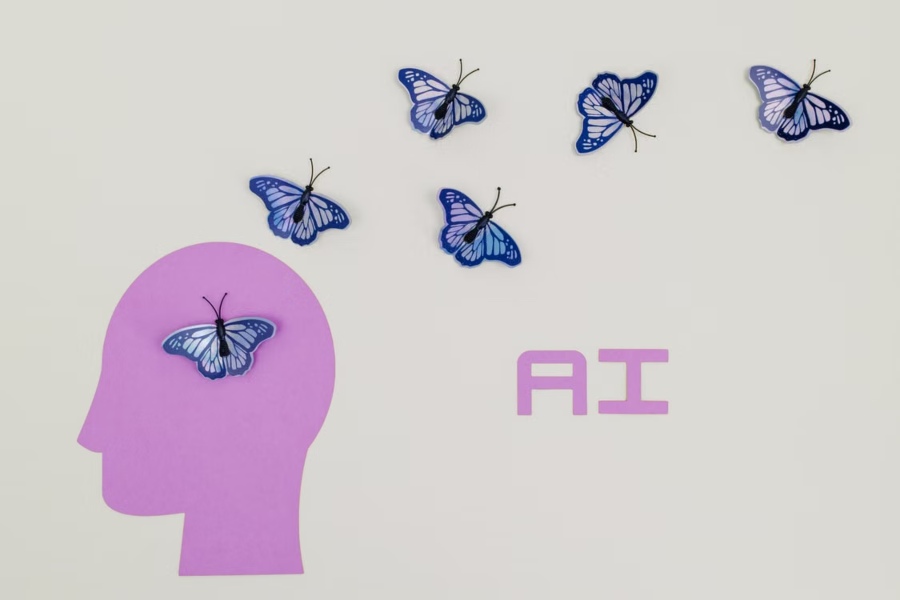
Artificial intelligence has changed the way advertisers build and manage campaigns. Meta now automates many parts of the advertising process, from audience targeting to bid optimization and campaign delivery. These tools save time and improve efficiency, but they have not changed one important fact. Great creative still drives great results. Brands that combine strong creative with smart campaign management, including professional Meta ads services, are often in the best position to connect with the right audience.
AI Has Changed the Advertising Process
Only a few years ago, advertisers spent a great deal of time building detailed audience segments and adjusting campaign settings. Today, many of those tasks are handled by machine learning. Meta’s advertising platform analyzes large amounts of data to determine who is most likely to respond to a campaign and how the budget should be allocated.
This shift has simplified campaign management for many businesses. Instead of making constant manual adjustments, marketers can spend more time thinking about their overall strategy. AI handles much of the technical work behind the scenes, allowing teams to focus on creating stronger campaigns.
Automation also means that many advertisers now have access to sophisticated optimization tools that were once available only to larger organizations. The playing field has become more competitive because everyone has access to similar technology.
Creative Is the Biggest Opportunity
When targeting and bidding become more automated, creative becomes one of the strongest ways to stand out.
People do not stop scrolling because an algorithm selected the perfect audience. They stop because an image catches their attention, a headline speaks to a problem they recognize, or a video tells an interesting story. AI can help deliver the message, but the message itself still comes from people.
The strongest campaigns begin with a clear understanding of the audience. What questions do they have? What challenges are they trying to solve? What motivates them to take action? Creative that answers those questions often performs better than content designed around trends alone.
Strong visuals also play an important role. Consistent branding, thoughtful photography, and clear design help build recognition over time. Even short advertisements benefit from careful attention to visual quality.
Authentic Messages Build Trust
AI can generate text, suggest headlines, and create image variations, but authenticity remains difficult to automate.
People respond to brands that feel genuine. They want messaging that reflects real expertise, honest communication, and a clear understanding of their needs. Generic advertising often blends into the background because it lacks personality.
Businesses that understand their customers can create campaigns that feel more personal without becoming overly promotional. Sharing real experiences, customer success stories, or practical advice often builds stronger engagement than relying on broad marketing claims.
The goal is not to sound perfect. The goal is to sound human.
Testing Still Matters
Although AI helps optimize campaign performance, marketers still need to learn what resonates with their audience.
Testing different creative concepts remains one of the most valuable ways to improve advertising results. Small changes to headlines, visuals, calls to action, or video openings can reveal meaningful insights about audience preferences.
Successful advertisers treat every campaign as an opportunity to learn. They review performance data, identify patterns, and apply those lessons to future campaigns. Over time, this process creates stronger creative and more consistent results.
Testing also helps businesses understand which messages connect with different audience segments. That knowledge supports marketing far beyond paid advertising.
AI Supports Better Decisions
AI should be viewed as a partner rather than a replacement for creative thinking.
Campaign data can reveal which advertisements receive the most engagement, where users lose interest, and which formats generate stronger responses. These insights help creative teams make informed decisions while continuing to rely on their own judgment and experience.
This balance allows businesses to work more efficiently without sacrificing originality. AI provides speed and analysis, while people provide strategy, empathy, and creativity.
That combination often produces campaigns that feel more relevant because they are guided by both data and human understanding.
Strong Brands Remain Consistent
Advertising is rarely about a single campaign. It is part of a larger brand experience.
People may first discover a business through a Meta advertisement, but they continue forming opinions as they visit the website, read content, browse products, or interact with customer support. Consistency across these touchpoints builds familiarity and confidence.
Creative should therefore reflect the broader identity of the brand. The tone, visuals, and messaging used in advertising should align with the experience customers receive elsewhere. This consistency strengthens recognition and helps campaigns perform over the long term.
The Best Results Come From Technology and Creativity
AI has made advertising more accessible and more efficient. It has reduced many of the technical barriers that once required constant manual management. Those improvements allow marketers to focus on what has always mattered most.
Thoughtful creative, clear messaging, and a genuine understanding of the audience continue to shape successful campaigns. Businesses that combine these strengths with modern AI tools can build advertising that not only reaches more people but also creates meaningful connections.
As AI continues to evolve, technology will keep improving how campaigns are delivered. The brands that stand out, however, will still be the ones with ideas worth sharing and stories worth telling.